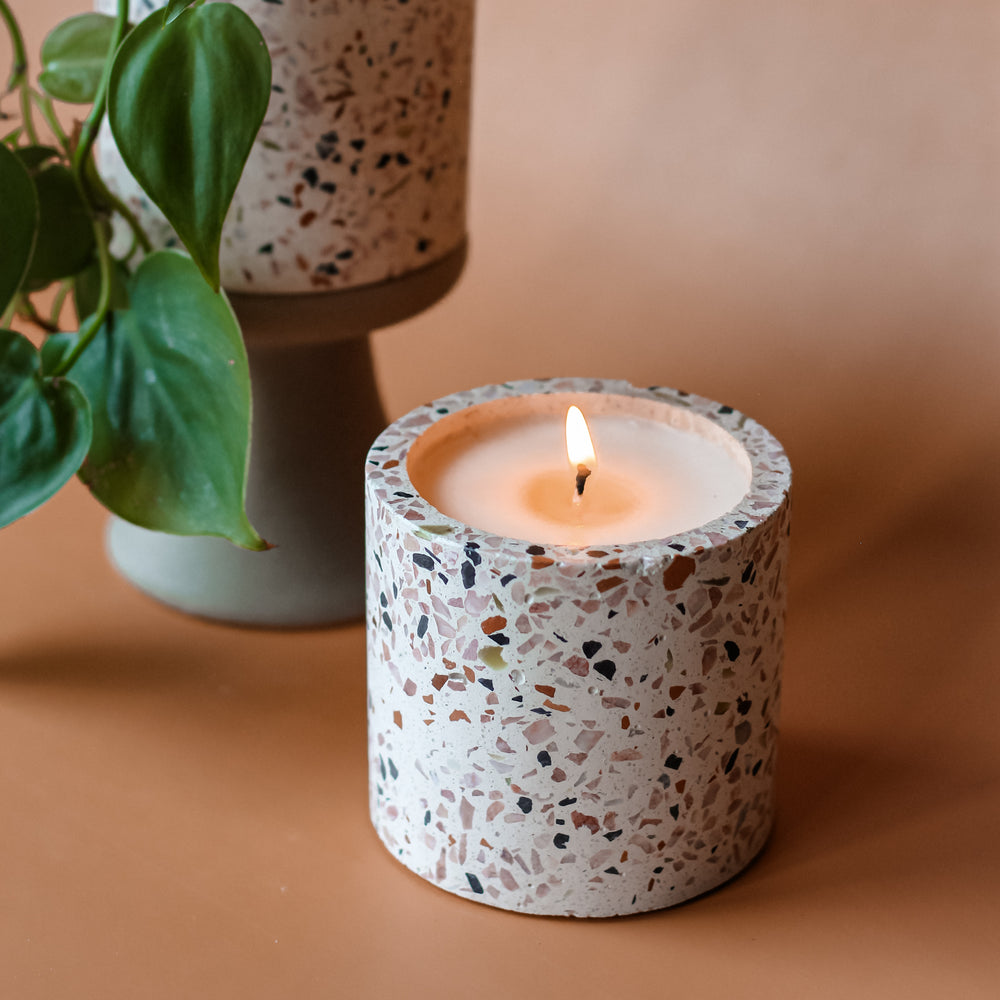





Soy Wax vs. Paraffin Wax: What's Actually in Your Candle

Walk into any candle shop and you'll see the words "soy wax" prominently displayed. But what does that actually mean and why does it matter?
If you've ever wondered what the real difference is between soy wax and paraffin, or whether it actually makes a difference to your health, you're in the right place. Let's break it down.
What Is Paraffin Wax?
Paraffin wax is derived from petroleum, specifically, it's a byproduct of the oil refining process. It's been the dominant wax used in candles for over a century, largely because it's inexpensive to produce and holds fragrance well.
When paraffin burns, it can release a range of compounds including alkanes, alkenes, and potentially harmful chemicals like toluene and benzene, the same compounds found in diesel exhaust. The amounts released by a single candle are generally low, but with regular use in enclosed spaces, exposure can accumulate.
It's also worth noting that paraffin is non-renewable. It's derived from crude oil, making it a less sustainable choice compared to plant-based alternatives.

What Is Soy Wax?
Soy wax is made from hydrogenated soybean oil, a renewable, plant-based resource. It was developed in the 1990s as a cleaner, more sustainable alternative to paraffin and has grown significantly in popularity since.
Soy wax burns cooler and more slowly than paraffin, which means your candle lasts longer. It also produces less soot and, importantly, it doesn't release the same petrochemical compounds as paraffin when burned.
From a sustainability standpoint, soy is biodegradable and sourced from a renewable crop - a meaningful difference from petroleum-derived wax.
How Do They Compare?
Burn time: Soy wax typically burns 30-50% longer than paraffin of the same size, making it a better value over time despite a potentially higher upfront cost.
Soot and air quality: Soy wax produces significantly less soot than paraffin. Less soot means cleaner air and less black residue on your walls, jars, and surfaces.
Fragrance throw: This is where paraffin has traditionally had an edge, it holds and throws fragrance strongly. However, high-quality soy candles using well-formulated fragrance oils can absolutely match paraffin on scent. The difference has narrowed significantly as candle-making craft has improved.
Environmental impact: Soy is renewable and biodegradable. Paraffin is a petroleum byproduct. If sustainability matters to you, the choice is clear.
What About "Soy Blends"?
Here's where things get murky. A candle labeled as a "soy blend" can technically contain just a small percentage of soy wax mixed with paraffin or other waxes. There's no regulated minimum, which means a candle can market itself on the soy association without delivering the benefits.
If clean burning matters to you, look for candles that specifically say 100% soy wax - not "soy blend" or "natural blend."

Why We Use 100% Soy Wax at Concrete Poppy
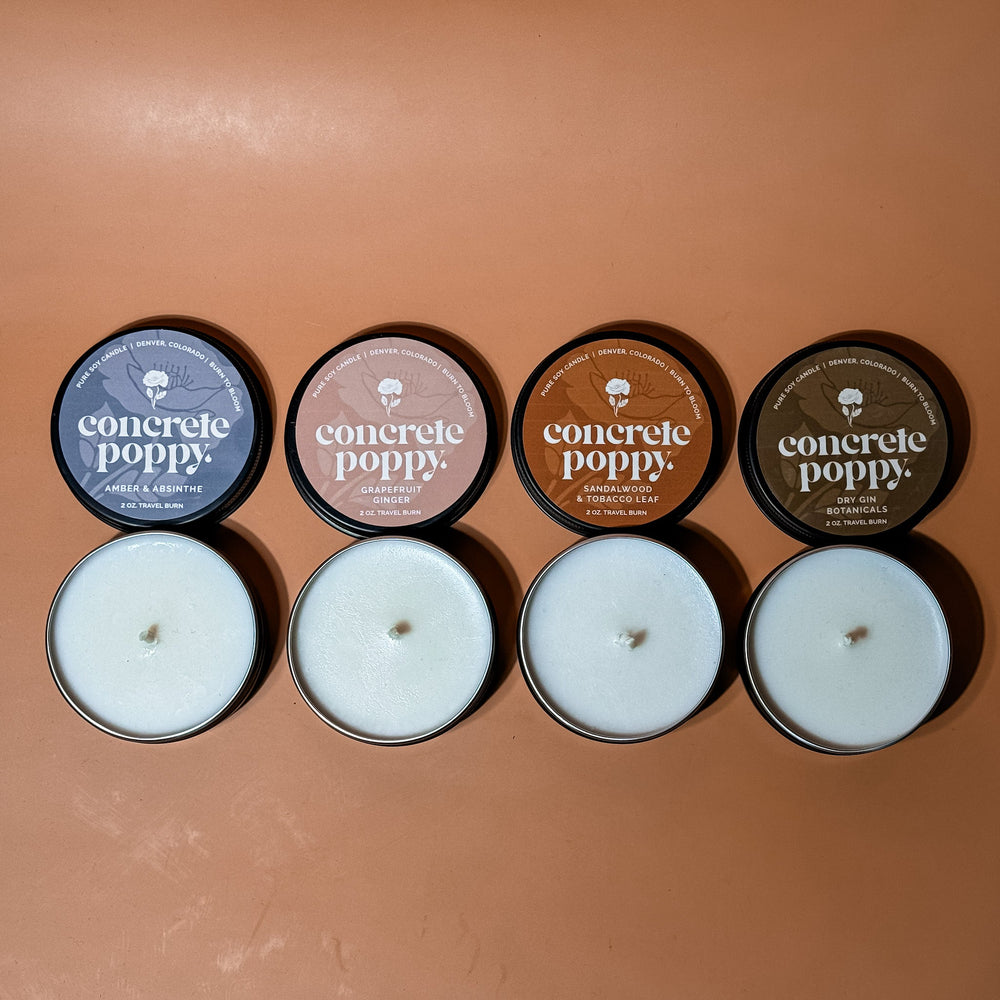
We chose soy wax because we believe the things you burn in your home should meet the same standard as the things you put in your body. 100% soy wax burns cleaner, lasts longer, and comes from a renewable source.
Combined with our phthalate-free and paraben-free fragrance oils, every Concrete Poppy candle is designed to make your home smell incredible without anything you'd want to keep out of your air.
Because the ingredients in your candle matter just as much as the scent on the label.