




The History of Clean-Burning Candles: From Ancient Wax to Modern Soy

The Ancient Ritual You Practice Every Time You Light a Candle
We’ve been doing a lot of thinking lately about the role candles play in our everyday rituals.
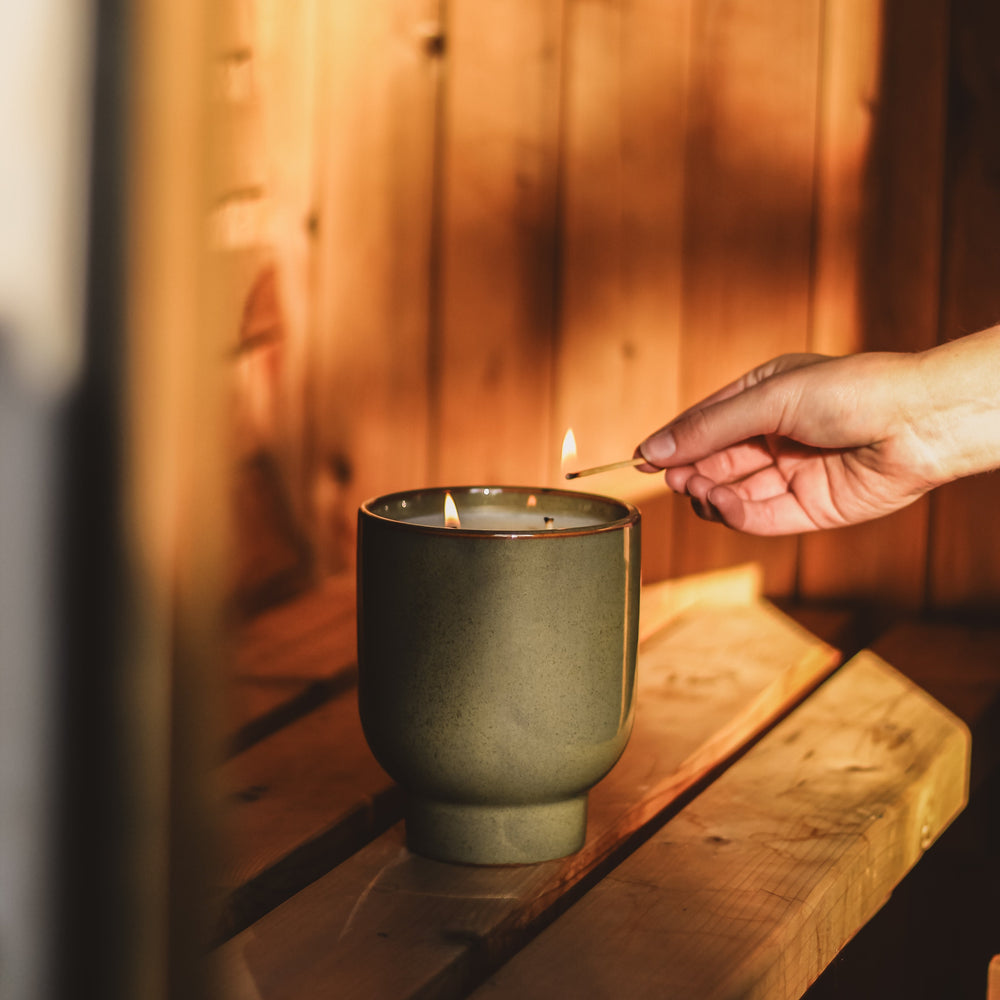
The way we light one at the end of the day without even thinking.
The way we reach for one before a bath, a dinner party, a journal session.
The way a flame instantly softens a room.
But what feels even more meaningful is this:
For thousands of years, humans have not only lit candles… we’ve searched for better ways to burn them.
Cleaner. Brighter. Softer.
The conversation around clean burning candles isn’t new. It’s ancient.

When Humans First Learned to Hold Light
The history of candles dates back more than 5,000 years.
Ancient civilizations like Egypt, Rome, and China created early forms of candles using animal fat, plant fibers, and natural waxes. These weren’t decorative pieces. They were necessary sources of light once the sun disappeared.
Imagine what that meant.
A single flame in the dark.
Families gathered close.
Stories told by flicker instead of screen.
Candles extended the day. They created safety. They created community.
But even in those early days, not all candles burned the same.

The First Search for Cleaner Burning Candles
By the Middle Ages, people began to notice something important: materials mattered.
Tallow candles, made from animal fat, were widely used but produced smoke and odor. Beeswax candles, on the other hand, burned brighter and cleaner, with significantly less soot.
Beeswax became the preferred choice in churches and wealthier homes not just because it was beautiful, but because it felt better to burn indoors.
Less smoke.
Less residue.
A more pleasant atmosphere.
Even centuries ago, there was an awareness that what you burn inside your home affects how it feels and how you breathe within it.
The desire for cleaner burning candles is not a modern wellness trend. It has always existed.

When Petroleum Changed Candle Making
In the 1800s, paraffin wax entered the picture.
Paraffin, a byproduct of petroleum refining, was inexpensive and easy to mass produce. It quickly replaced traditional waxes because it made candle production faster and more affordable.
Convenient? Absolutely.
Aligned with centuries of seeking cleaner light? Not exactly.
Paraffin candles can produce soot and release compounds into the air when burned. Over time, candle making shifted from craft to industry. From intention to efficiency.
And while candles were no longer about survival, they were still being burned in the most intimate parts of our lives: bedrooms, kitchens, nurseries, dinner tables.
Somewhere along the way, we stopped asking what was actually in the flame.

The Return to Clean Burning Candles
In recent years, the conversation has resurfaced.
More people are reading labels.
More people are asking about ingredients.
More people are questioning what they bring into their homes.
Soy wax candles represent a return to plant-based, renewable materials. They burn cleaner, produce minimal soot, and feel closer to the original spirit of candle making.
In many ways, choosing soy wax isn’t a new idea. It’s a continuation of a very old one.
For thousands of years, humans have experimented, refined, and searched for better light. We are simply participating in that same evolution.

Candles as Modern Ritual
Today, we don’t need candles to survive.
But we do need softness.
We do need warmth.
We do need pauses in our day.
When we light a candle now, we’re participating in something ancient. We’re continuing a centuries-long conversation about light, atmosphere, and intention.
Choosing clean, plant-based candles isn’t about perfection. It’s about alignment.
If candles have always been about creating safe, comforting spaces, then what we put into them should reflect that.
And maybe that’s why this ritual still feels so powerful.
Because it’s not just about the glow.
It’s about the kind of light we choose to live with.
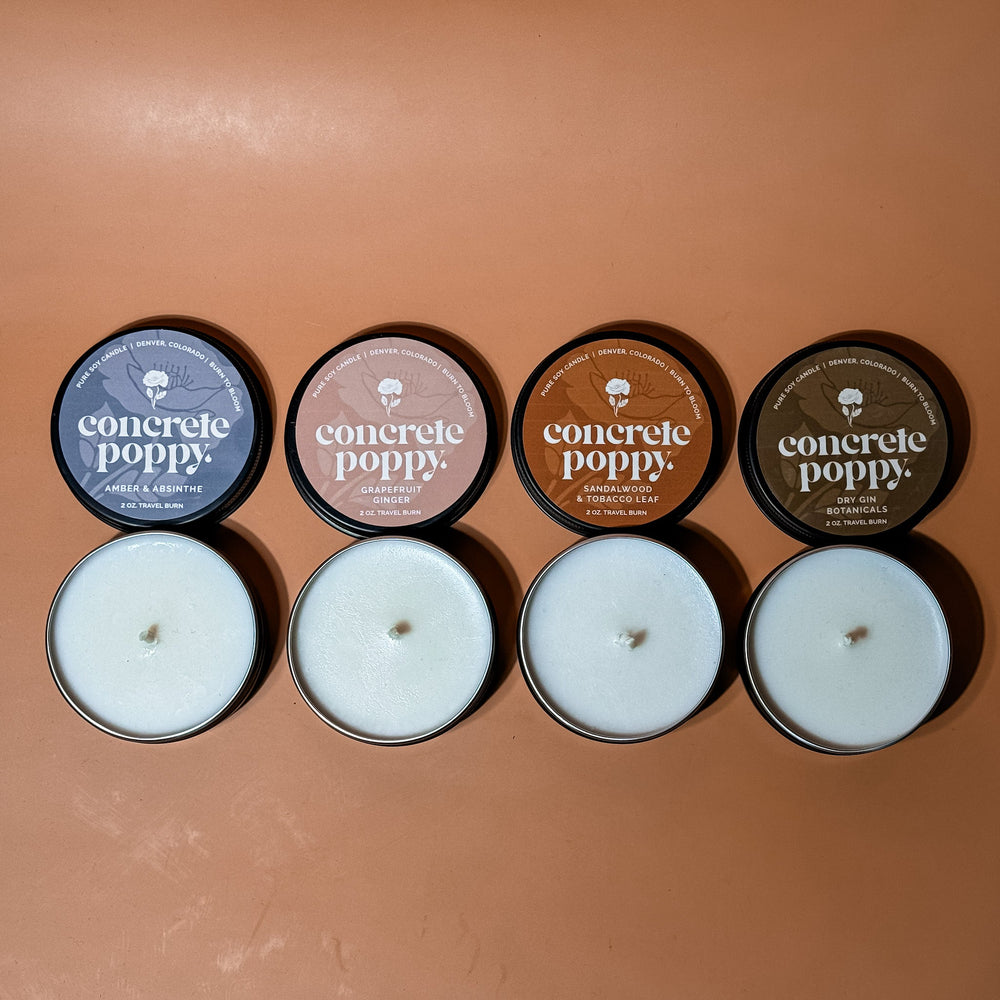
At Concrete Poppy Design, we see every candle as part of this long tradition—made with clean, plant-based wax and created to transform into something new once the flame fades.
Explore the collection and continue the ritual.