




What Are Phthalates & Why We'll Never Use Them
There's a word you've probably seen on our labels, our website, and sprinkled throughout everything we make:
Phthalate-free or Non-Toxic.
But what does that actually mean? And why does it matter enough for us to call it out every single time?
We believe you deserve to know exactly what's in the products you bring into your home, especially the ones you burn, spray, and wear on your skin. So let's talk about phthalates: what they are, where they hide, and why we made the decision to never use them.

What Are Phthalates?
Phthalates (pronounced THAL-ates) are a group of synthetic chemicals used as plasticizers, meaning they make materials more flexible and durable. In the fragrance world, they're commonly used to make scents last longer and carry further.
They're also found in:
-
Plastic packaging
-
Personal care products (shampoo, lotion, nail polish)
-
Vinyl flooring and building materials
-
Conventional candles and air fresheners
The problem? Phthalates don't just sit inert inside a product. They off-gas, meaning they release into the air around you, especially when heated. Light a candle full of phthalates and you're breathing them in.
Why Are They a Problem?
Research has linked phthalate exposure to a range of health concerns, including:
Hormone Disruption Phthalates are classified as endocrine disruptors, chemicals that interfere with your body's hormone system. They can mimic or block natural hormones, affecting everything from reproductive health to thyroid function.
Developmental Concerns Studies have raised flags about phthalate exposure during pregnancy and early childhood. Some research suggests links to developmental issues, behavioral changes, and disrupted fetal development.
Respiratory Sensitivity For people with asthma, allergies, or chemical sensitivities, phthalate off-gassing can trigger irritation, headaches, and worsened symptoms.
Cumulative Exposure Here's the tricky part, phthalates are everywhere. Your body is likely processing small amounts from multiple sources throughout the day. A candle alone may seem like a small exposure, but it adds to a larger cumulative picture.
Where Do They Hide in Candles?
Most conventional candles use synthetic fragrance oils that can contain phthalates. These fragrance blends are often proprietary, meaning brands aren’t required to disclose every ingredient inside them.
The word “fragrance” on a label can legally represent dozens of undisclosed chemicals, including phthalates.
That said, “fragrance” as a whole often gets a bad reputation. It’s not inherently harmful, but it is complex. The real concern comes down to what’s inside the blend, and phthalates are one of the key ingredients many people choose to avoid.
That’s why ingredient transparency matters so much to us. You shouldn’t have to guess what you are bringing into your home.
Not all fragrance is created equally, and we’re intentional about using phthalate-free, clean fragrance oils that are specifically designed to be safe for you and your space.
What We Use Instead
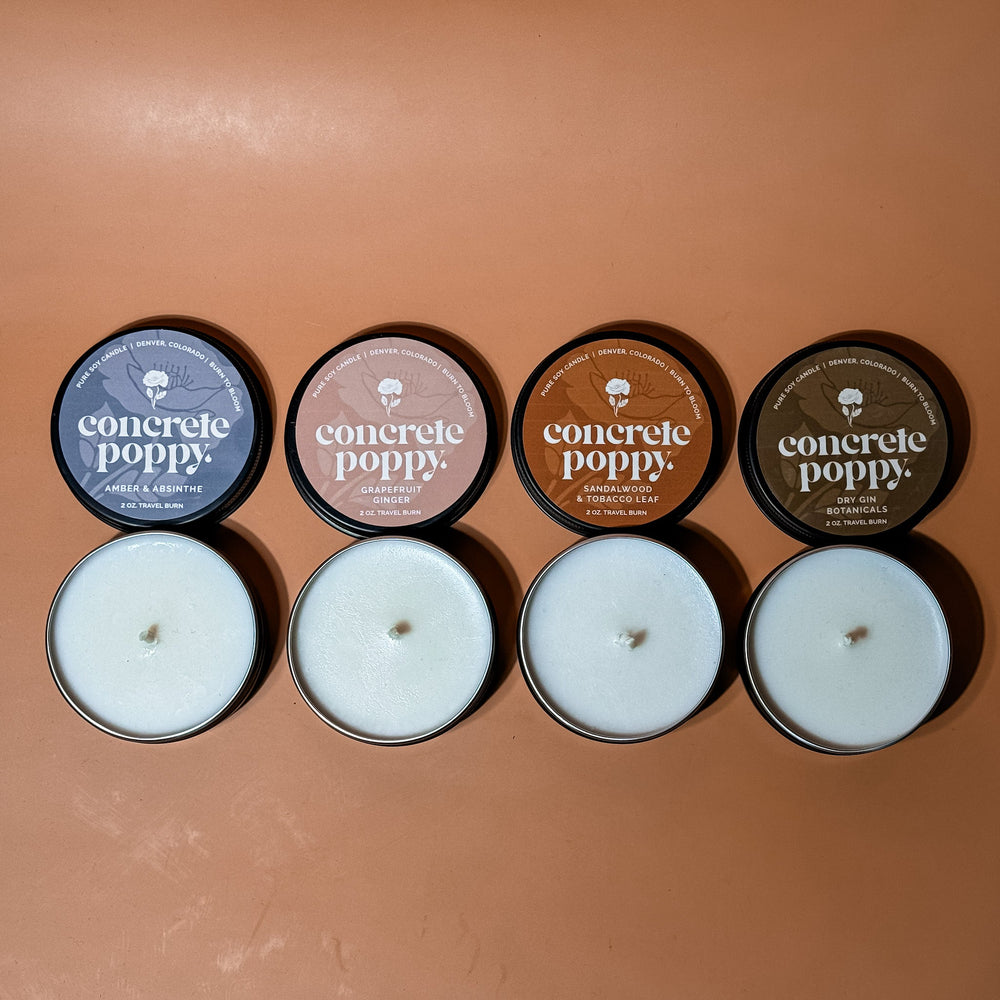
At Concrete Poppy, every fragrance we use is phthalate-free, always. We work with clean fragrance suppliers who formulate without these chemicals, and we pair them with:
-
100% soy wax no paraffin, no petroleum
-
No parabens
-
No synthetic dyes
-
Clean carrier oils in our roll-on perfumes (jojoba-based)
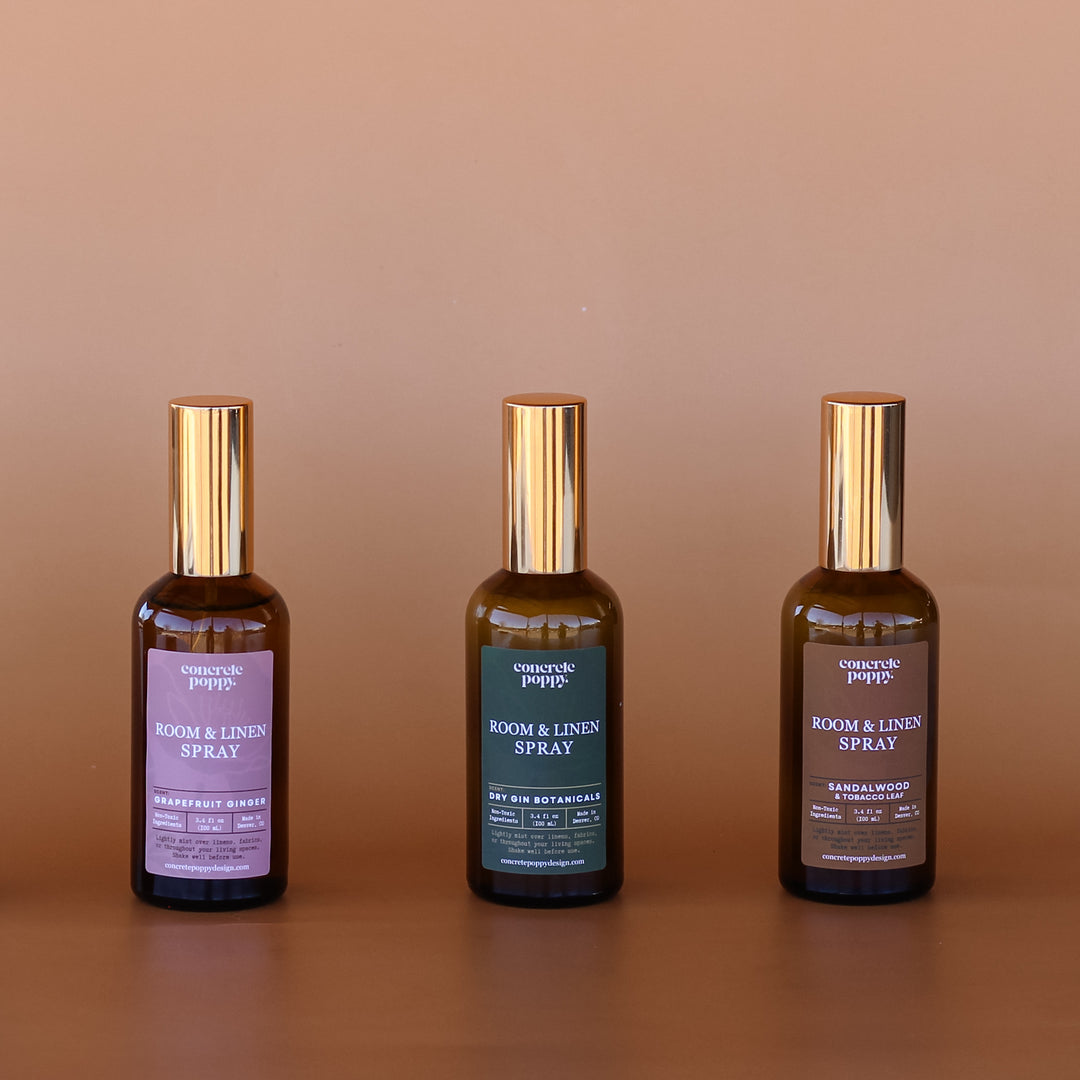
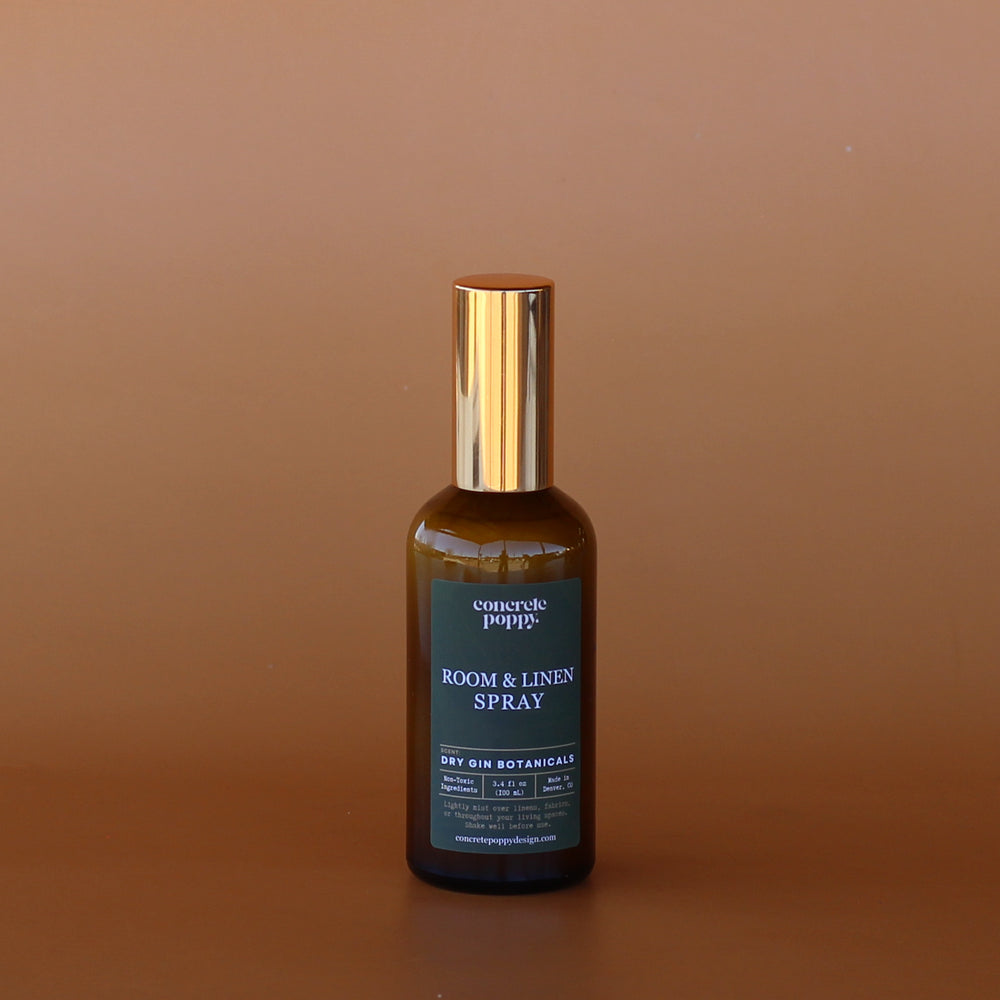
Our goal isn't just to make something that smells beautiful. It's to make something you can feel good about breathing in, whether you're lighting a candle during your morning ritual, spraying your linen before bed, or wearing our perfume close to your skin.

The Bigger Picture
Choosing phthalate-free products is one small piece of living more intentionally. It's not about perfection, it's about awareness. Knowing what's in your space, your products, your environment.
That's what Burn to Bloom is all about. Not just the sustainability of our vessels, but the full lifecycle of what we create: clean ingredients, honest sourcing, and products that honor the home you've built.
You deserve to know what you're burning. We'll always tell you.
Want to learn more about our clean ingredients? Visit our Ingredients page →